MENU
Greetings from the Head of the Family
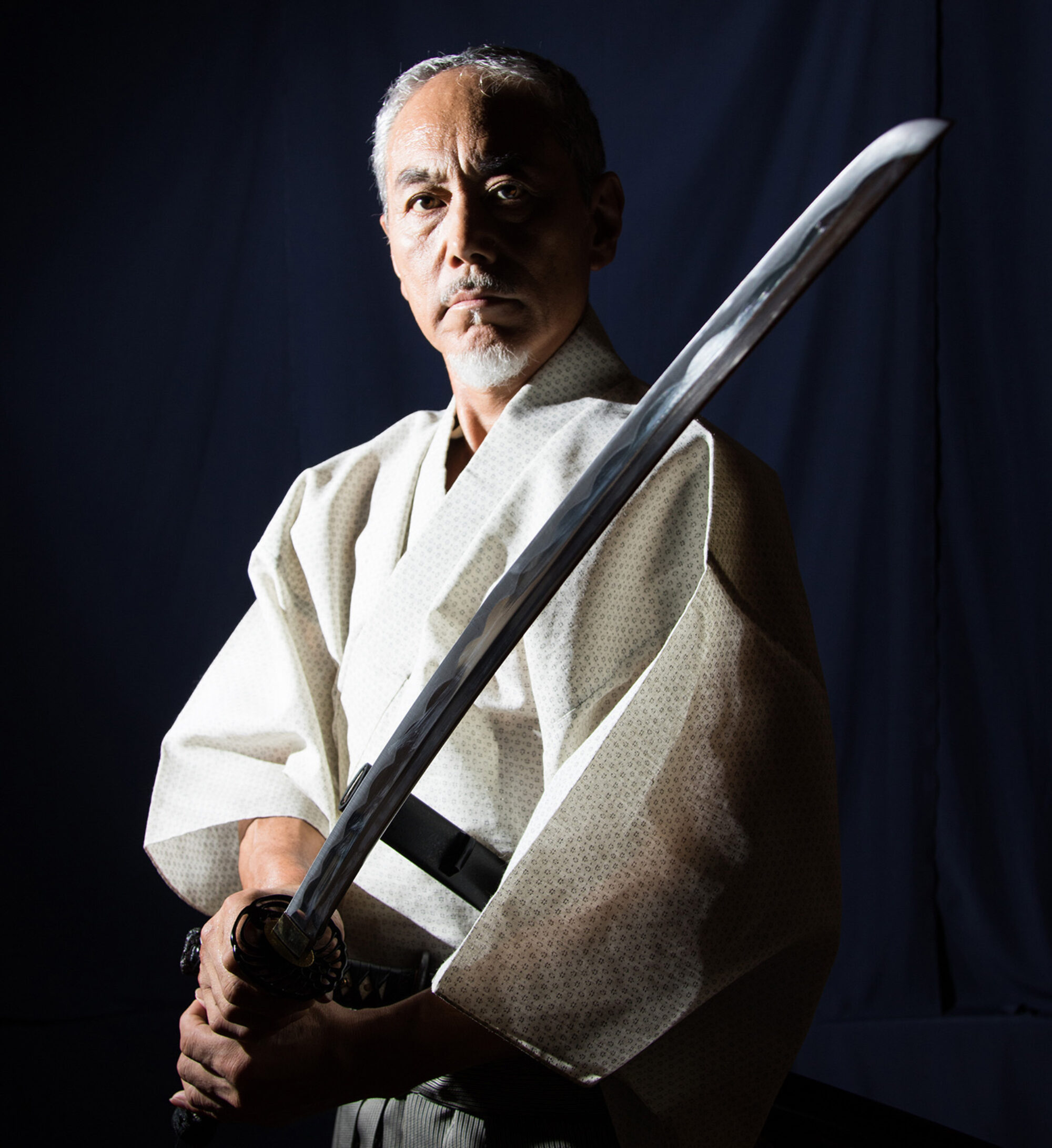
Nice to meet you all. Thank you for visiting the page of Shiina Kazue Naritane, the 7th head of the Hokushin Itto-ryu. I was given the essence of Bushido through a connection. I would like to leave it to future generations.
Now, as I look closely, all martial arts that exist today are the product of the economic society after the Meiji era, and have no connection to the Bushido that existed before that. If things continue this way, modern martial arts will become a great harm to the Japanese people and consume Japan.
Genuine martial arts were wiped out, especially after the war, and it is fair to say that the way Japanese people live today is a mess. My mission is to sacrifice my life to regenerate Japan and the Japanese people from the poison of modern martial arts.
Just as genuine martial arts created the samurai, genuine martial arts, when practiced correctly, can return people to their original state and give them an unshakable spirit to live without being bothered by the praise and criticism of the world.
If you ever feel anxious or lacking in your life, please come and learn Hokushin Itto-ryu. It is not difficult, no matter how old you are. “If you are going to do it, now is the time!” said the ancients. They also said, “If you do not want to regret it, study under a proper teacher.”
There is no need to be intimidated, thinking, “Maybe it is too difficult for me.” As the saying goes, “It is easier to give birth than to worry.” Feel free to knock on my door.
I hope that someone will read this website carefully, improve themselves with me, and want to live a true life.。
MORE
Profile
Biography
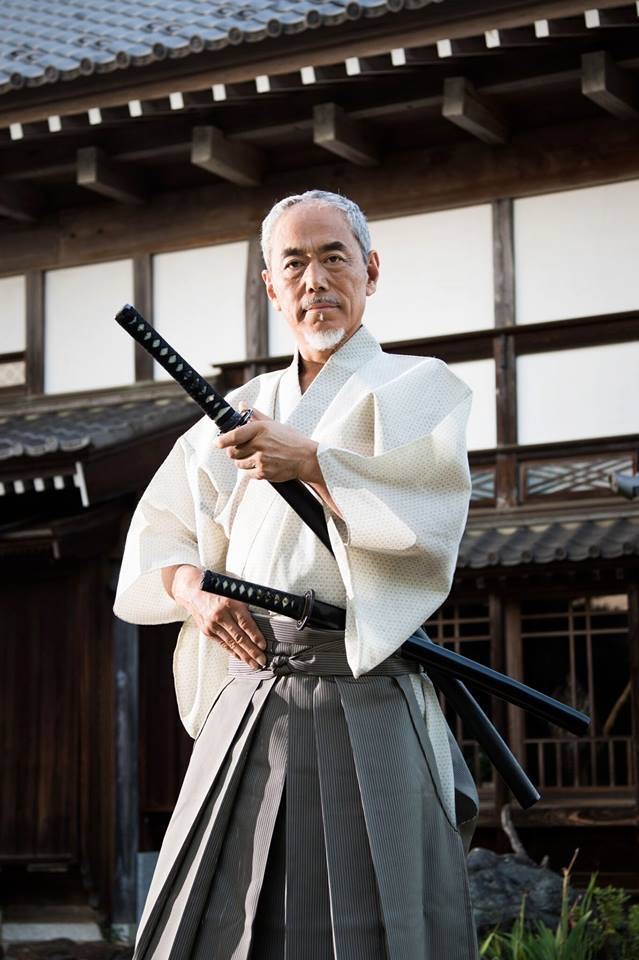
Kazue Shiina
Born May 17, 1953 (Showa 28)
A preacher of Hokushin Itto-ryu, living in Ibaraki Prefecture.
He is the seventh head of Hokushin Itto-ryu and his sword name is Naritane.
Born in Ryugasaki, Ibaraki Prefecture, he studied kendo after graduating from university.
He became a mathematics teacher at a public junior high school at the age of 31 and retired at the age of 52.In the same year, he founded the dojo floor construction company “Busyo Kosha.” As an expert in kendo floor construction, he has built dojos both in Japan and overseas. He is an expert in kendo floor construction.
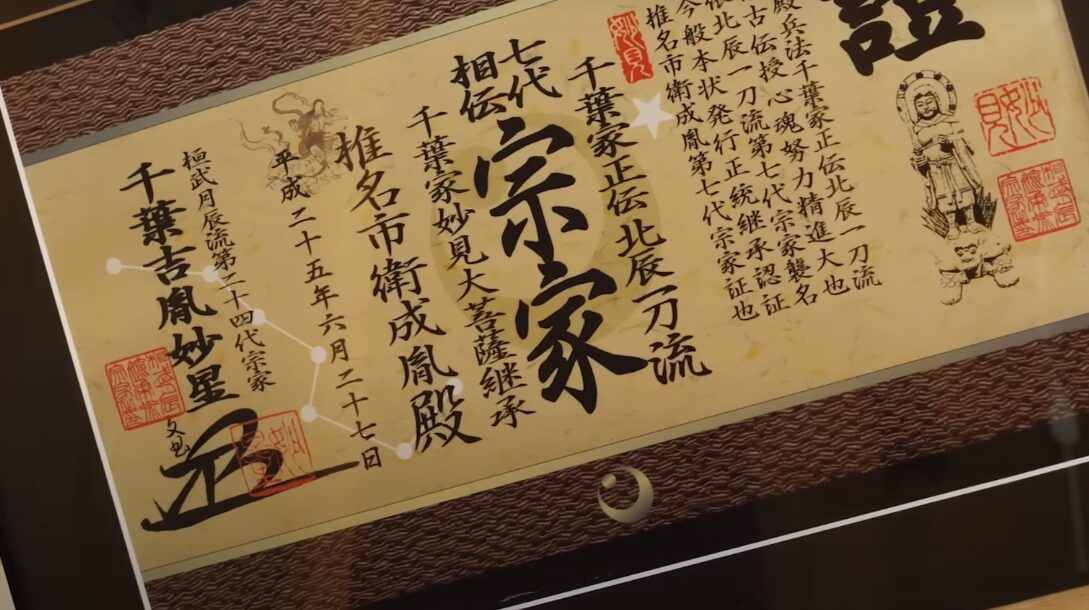
He succeeded to the head of Hokushin Itto-ryu in 2013 (Heisei 25).
He currently teaches swordsmanship and other disciplines not only in Japan but all over the world.
Title
・7th Head of Hokushin Ittoryu
・Jikishinkage-ryu Swordsmanship Master
・Representative of Kendo Hall Floor Construction Company “Busyo Kosha”
・Chairman of the Japan Traditional Culture Preservation Society
Detailed career history
He started kendo when he entered junior high school. His first teacher was former Army Captain Takeda Jiei. He later learned from Yajima Saburo, the sixth master of the Hokushin Itto-ryu school. He was the worst kendo player among his classmates, but his teacher encouraged him by saying, “There’s a saying that great talents bloom late,” and he overcame his setbacks and has continued to train in the art of the sword to this day.
He went on to Ibaraki Prefectural Ryugasaki Daiichi High School, a prestigious school for both academics and martial arts. He served as captain of the kendo club and participated in the Inter-High School Championships. He went on to Shibaura Institute of Technology, where he met Sato Hironobu (then a Metropolitan Police Department instructor and a seventh-dan instructor) at the kendo club, and was influenced by him both personally and technically. He studied under him for 42 years until his death.
・At the age of 25, he met Ogawa Chutaro at the All Japan Central Seminar, and was influenced spiritually by him and became his personal disciple. He began training in Zen and short bamboo swords at the Human Zen Sect Kodo-kai, run by Ogawa.
・At the age of 30, he received instruction in the Jikishinkage-ryu “Hojyo” from Sakai Shohei, a beloved disciple of Kato Kanji, the successor to the 15th Jikishinkage-ryu Yamada Jirokichi, at the Japan Agricultural Practice College (now the Japan Agricultural Practice Academy). From then on, he trained in kendo with Hojyo as the foundation.
・At the age of 31, he was introduced to Aoki Hideo (Hokushin Itto-ryu), a teacher of Kodogikai who was famous for being a master of thrusts, and learned how to make bamboo swords, how to train a swing stick, basic physical movements, and basic striking techniques.
・At the age of 35, he received instruction in the Hokushin Itto-ryu “Kirikaeshi” from teacher Yajima Saburo. This marked the start of instruction in the Hokushin Itto-ryu Kumitachi “Kaku”. In the same year, he was taught the “Taiatari” technique by Oone Ichiro Hanshi. After his teachers passed away, he began studying masters of other martial arts. It was during this time that he became a disciple of Sagino Akira, the second master of Kyudo Muyou Shingetsu-ryu.
・At the age of 53, he quit his job as a teacher, began a serial in the magazine “Kendo Nippon,” and began giving martial arts classes both in Japan and abroad.
・In November 2013, the Hokushin Itto-ryu Headmaster’s Succession Ceremony was held, and he inherited the Myoken Daibosatsu and the Ouka Myokenmaru, a protective sword that had been enshrined at the Genbukan in Otamagaike, from the Chiba family.
・In November 2017, he relinquished his seventh dan in kendo and left the All Japan Kendo Federation.
・Since 2023, he has also been working as a lecturer at “EMI Salon,” run by EMI-TAS Co., Ltd., an official ambassador for the headmaster.
He currently trains himself and teaches students at his home dojo and other locations.
Affiliated Dojo
〈 Japan 〉
・Headquarters Dojo “Sonjyo-kaku” (Ryugasaki City)
・Kanto Headquarters Dojo “Hokushinkan” (Kanda Otamagaike)
・Kanto Branch Dojo “Hokushin Satomi Juku” (Oji, Kita Ward)
〈 USA 〉
・North American Headquarters Dojo “Ryugamine Dojo” (Las Vegas)
・North American Branch Dojo “Hokushin Juku” (Phoenix)
・North American Branch Dojo “Hishou Dojo” (Los Angeles)
Book
・Kendo Japan
“Treasures of the Kendo World”
“The World of Sword Spirit”
“Eye-opening Foundations”
“Master’s Guide”
“The Way of the Sword to Look Up to”
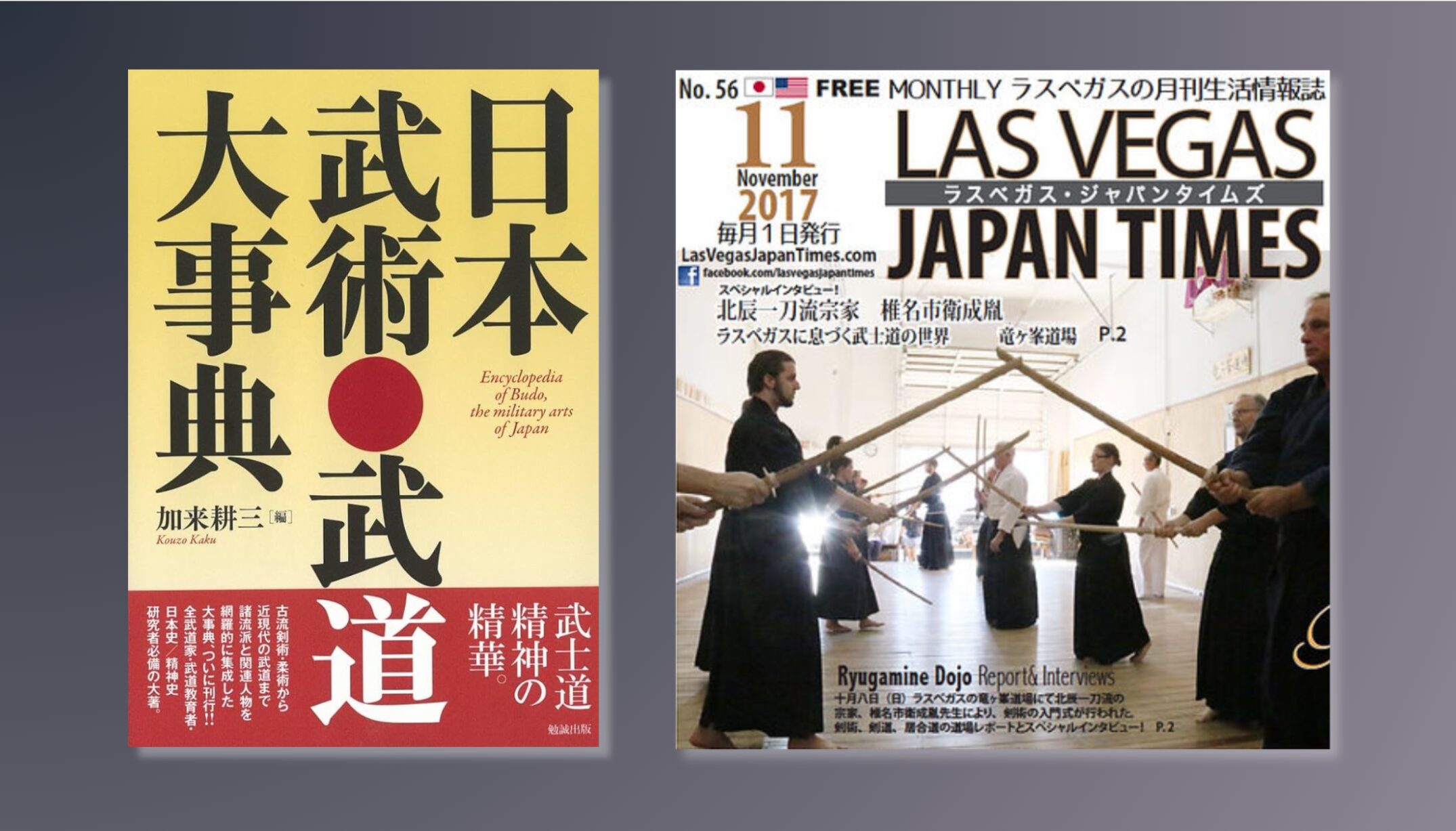
・Japan Times, Las Vegas
“Bushido” (ongoing series)
・Encyclopedia of Japanese Martial Arts
“Swordsmanship and Kendo”
The purpose of martial arts
The merits of martial arts
The good thing about martial arts is that they make people stronger.
Don’t jump to conclusions and think, “Oh, that’s all.” True strength is not the strength to defeat an opponent, but the strength to overcome difficulties.
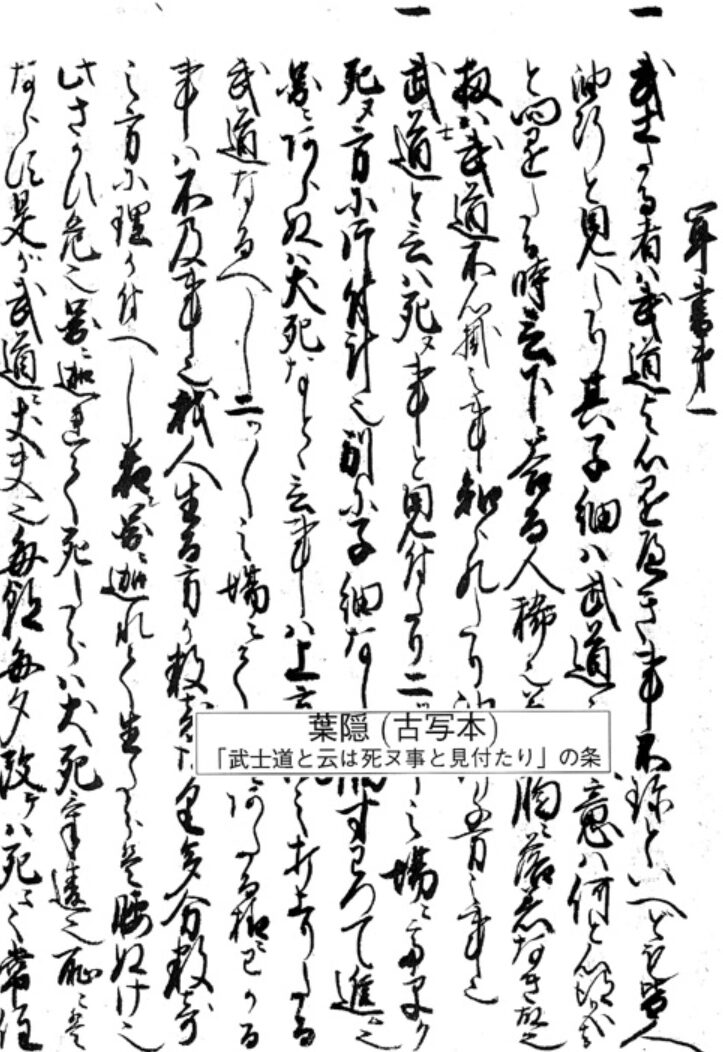
The strength that samurai sought was the strength to not fear death (strength of mind). One example is Bushido, as written in “Hagakure.”
It says, “Bushido is the way of death.”
In other words, if you are afraid of dying, you cannot be a samurai. And that death is not something low-level, like giving up and destroying yourself, but a death that is more valuable than life, and that you accept in your own heart.
Death is the most frightening thing of all. If you have the strength to overcome that fear, then life is nothing to fear. Samurai forged that mind through swordsmanship.
The samurai’s mind was forged with the sword. That is why the sword was said to be the soul of the samurai.
The good things about swordsmanship
So how did swordsmanship create a mind that does not fear death?
In Jikishinkage-ryu, you practice the “Hojyo no Kata”.
In Nenryu, you practice putting on a bamboo basket and making the opponent hit your back while you charge.
In Shinkage-ryu, you practice “Aiuchi”. And
In Hokushin Itto-ryu, you practice “Kiriotoshi”.
All of these were training to train the mind based on “mutual strikes”. Mutual strikes mean that both parties fall, so you could say it was training to create a mind that can be cut, and it was about becoming stronger against being hit, and it was not training that focused on defeating the opponent like in today’s martial arts. It was training to overcome the fear of death. And this is training that can only be done in swordsmanship, and it is also the secret of swordsmanship.
For humans, there is nothing more frightening than death. If you are free from the fear of death, you will have nothing to fear, and you will be able to become a strong person who can stand tall at all times.
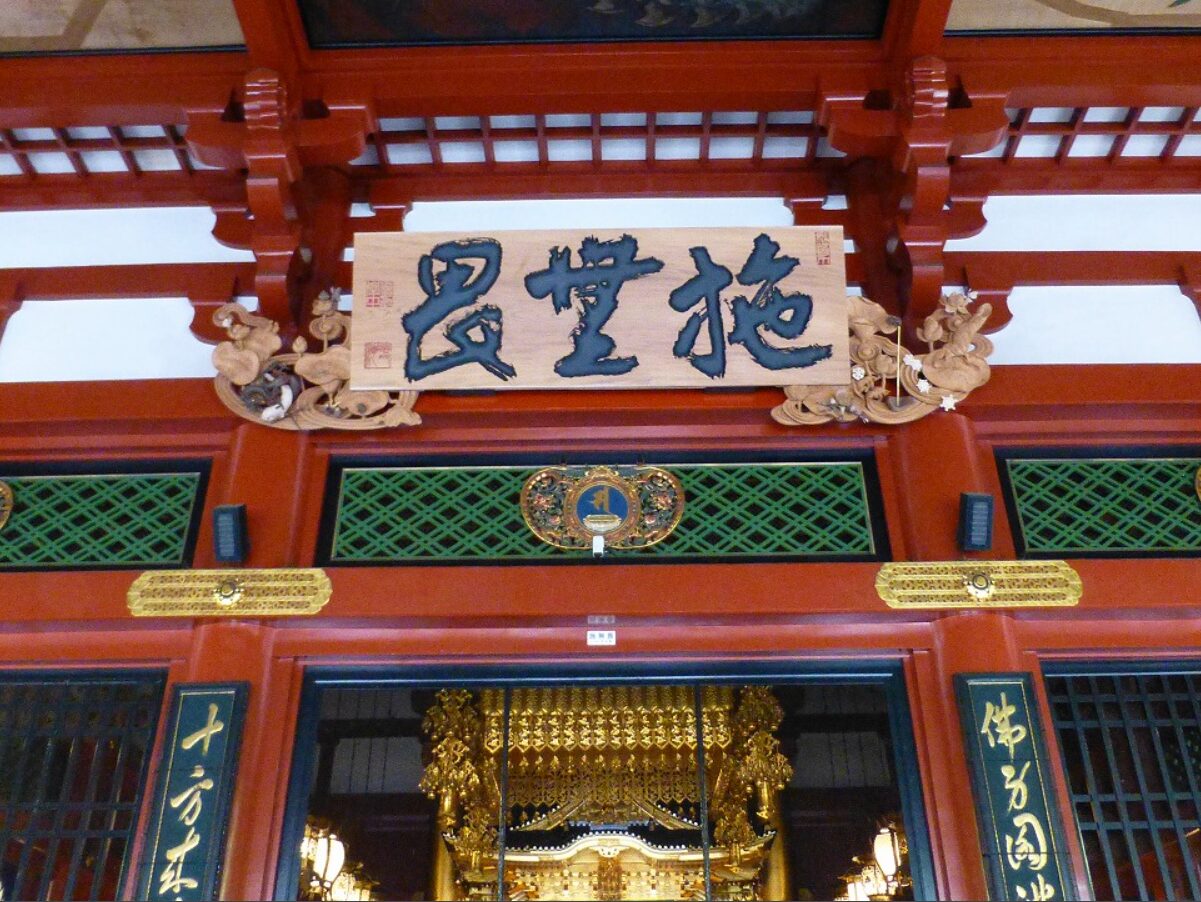
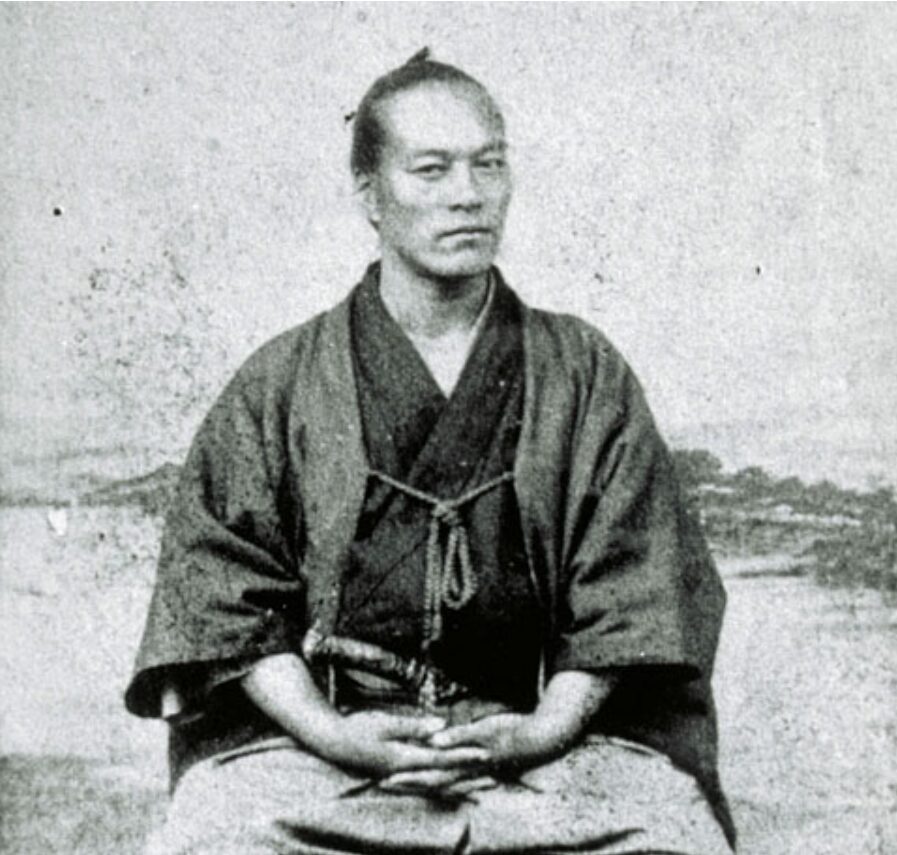
When the master Yamaoka Tesshu was once asked by someone “what is the secret of swordsmanship,” he replied, “I have entrusted it to the Kannon Bodhisattva in Asakusa.” The person searched within the grounds of Sensoji Temple and found a large plaque reading “Give fearlessness” hanging directly above the main hall. This means “to give fearlessness,” and Tesshu said that the secret of swordsmanship was to develop a mind that feared nothing.
Become someone who never gives up
It is a truth that no matter how strong a master you are, you cannot beat someone stronger than you.
No matter how strong you are and how many victories you have, as you get older you will begin to weaken and you will inevitably lose, so putting everything on winning is meaningless and wasteful.
However, it is possible to become someone who never loses. The strength of a world champion lasts for four years at most. Even if you feel happy about that momentary glory, in the long run you will not be able to continue to find happiness through winning. Not only that, but the glory and honor of victory will make you complacent and lead you astray in life. Winning is harmful. Winning cannot save you from anxiety, misfortune, or fear.
Practicing swordsmanship is not a training that seeks to strengthen your body just for the moment. It is a training that seeks to strengthen your mind, which you can use forever. How do you make your mind stronger? It grows and becomes stronger when you face difficulties. However, no one wants to face real difficulties, so the purpose of training is to strengthen your mind through simulated experiences.
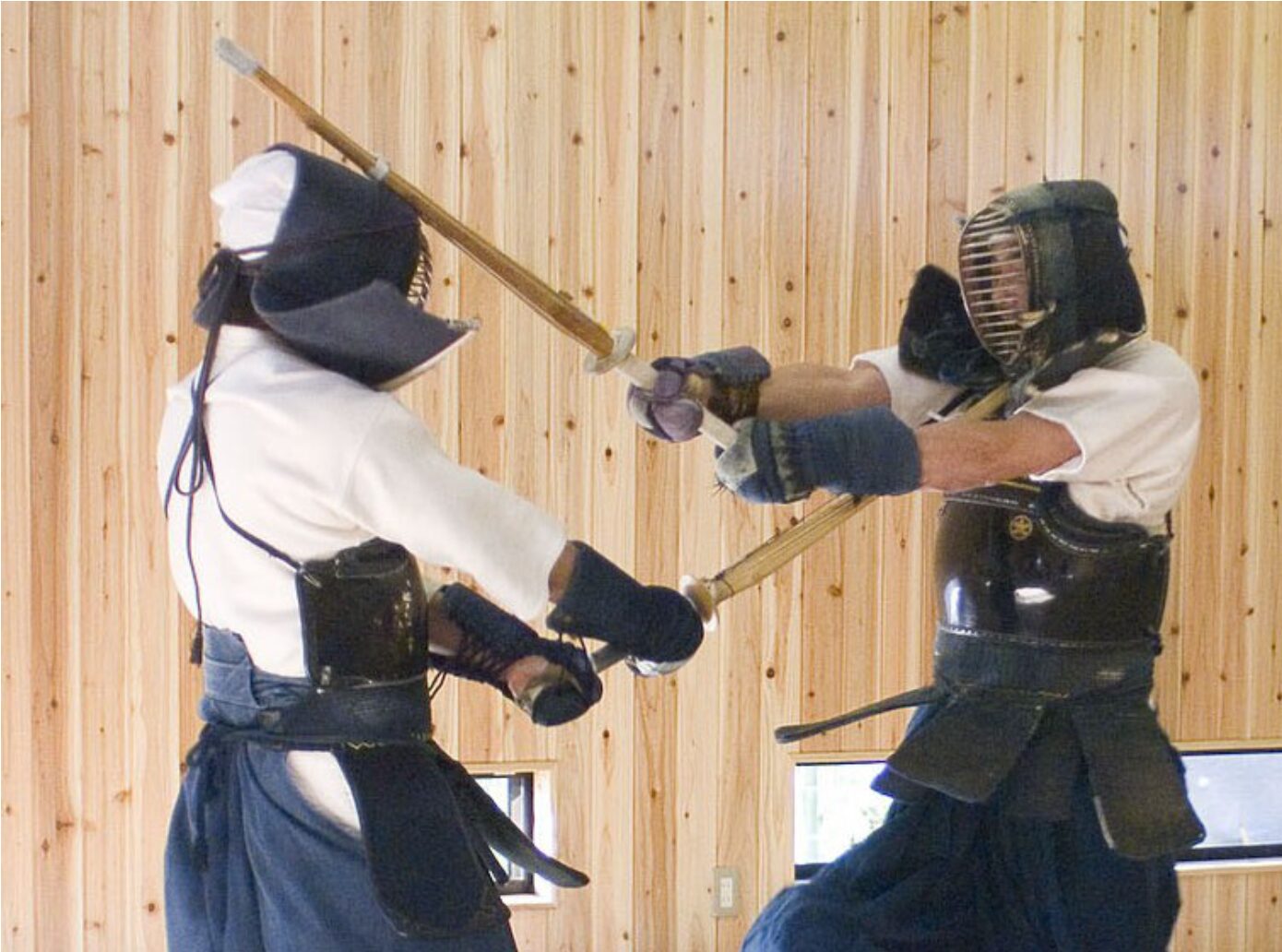
In swordsmanship training, it is not important to win, but rather how you handle your loss. This is because you are trained to recover from the depression that comes with losing. Unlike other martial arts, in swordsmanship, there is an important lesson to be learned from losing. That is why a true instructor has you train in “mutual strikes.” This is training to let your opponent cut and then cut. You don’t have to beat your opponent. Instead, it’s a “mutual strike,” so you don’t lose.
This is called training to not lose.
A mutual strike means both parties go down. No one likes it, but the point is that your opponent also dislikes it. In other words, if you are determined to die, your opponent will dislike a mutual strike and avoid the fight. This is how even a beginner can become an equal with a master. This is the essence of martial arts. A person who has mastered this essence of martial arts is said to be a person who is resolved. This resolve will serve you well in life.
・You will become someone who does not give in to hardship.
・You will become someone who does not give in to doubt.
・You will become someone who does not give in to anxiety.
・You will become someone who does not give in to failure or poverty.
・You will become someone who does not give in to misfortune.
True martial arts training prepares you to become such a person.
Someone who thinks winning is fun is “A frog in a well knows nothing of the great ocean.”; they don’t understand true joy. Those who have discovered the joy of not losing have nothing in life other than joy, and no amount of suffering or sadness can defeat them. Hokushin Itto-ryu creates such people.
Genealogy
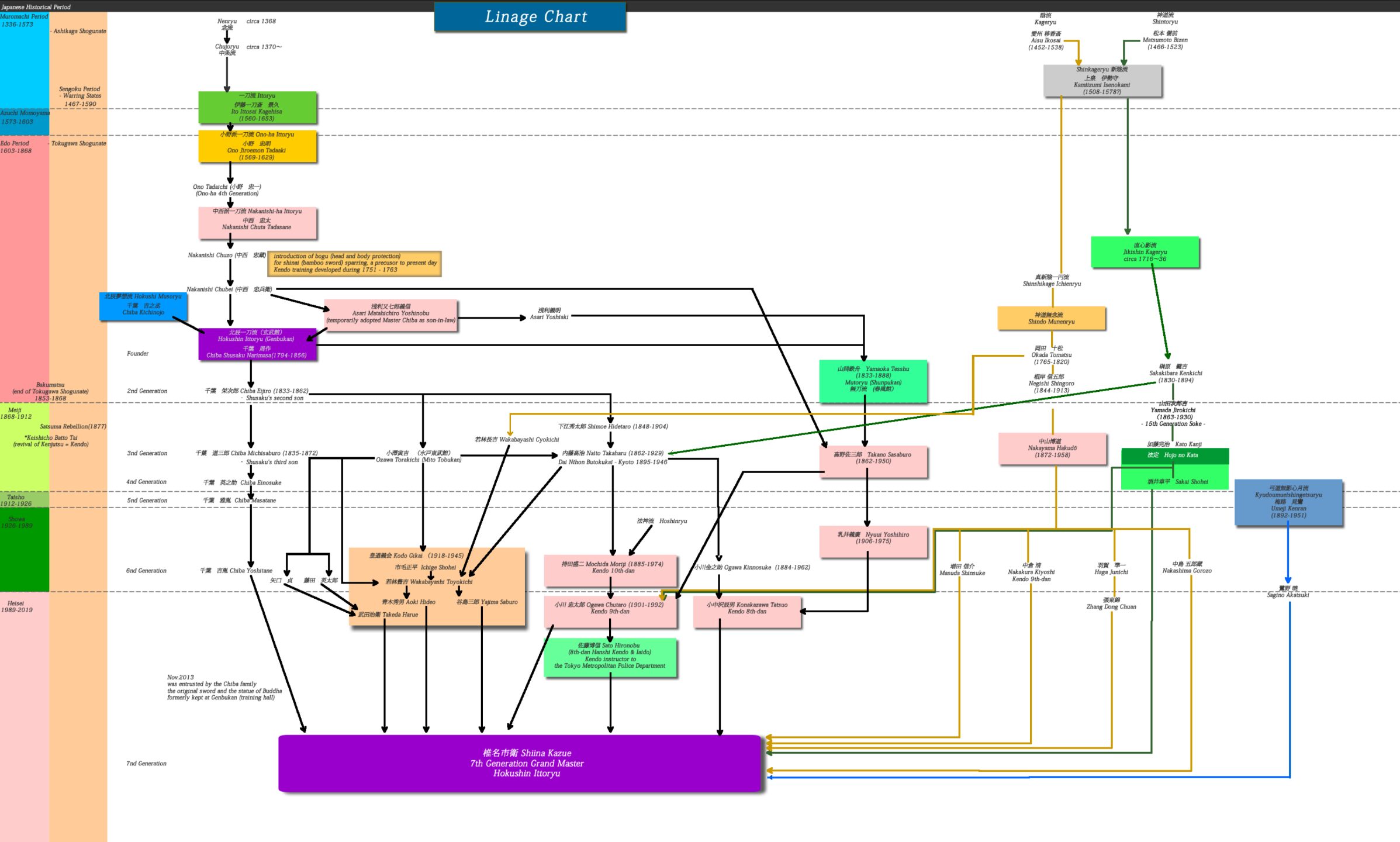
Hokushin Itto-ryu Genealogy
Jikishinkage-ryu Genealogy
Other Genealogy
Swordsmanship Genealogy
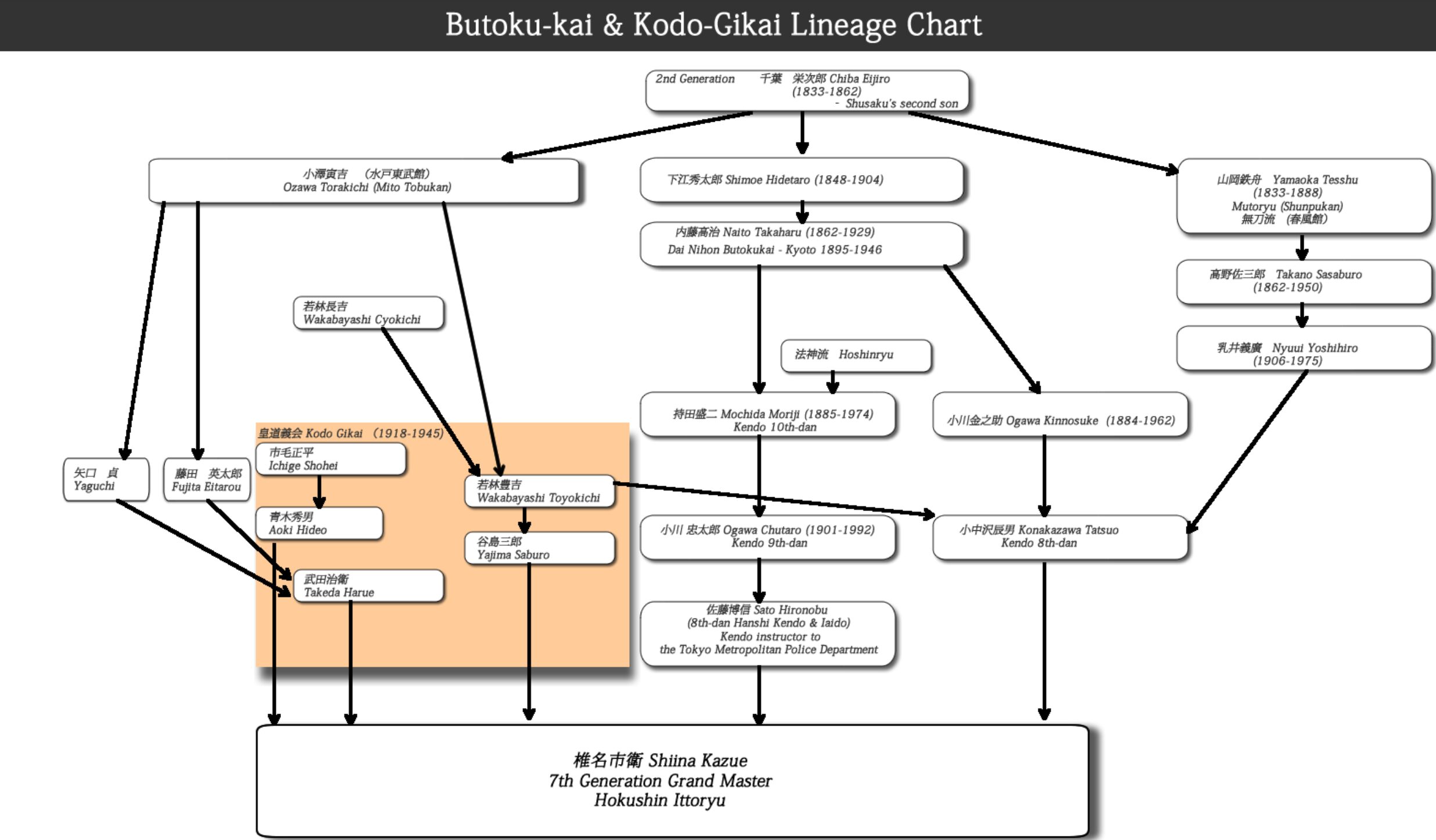
Dai Nippon Butokukai genealogy
The genealogy of Yushinkan
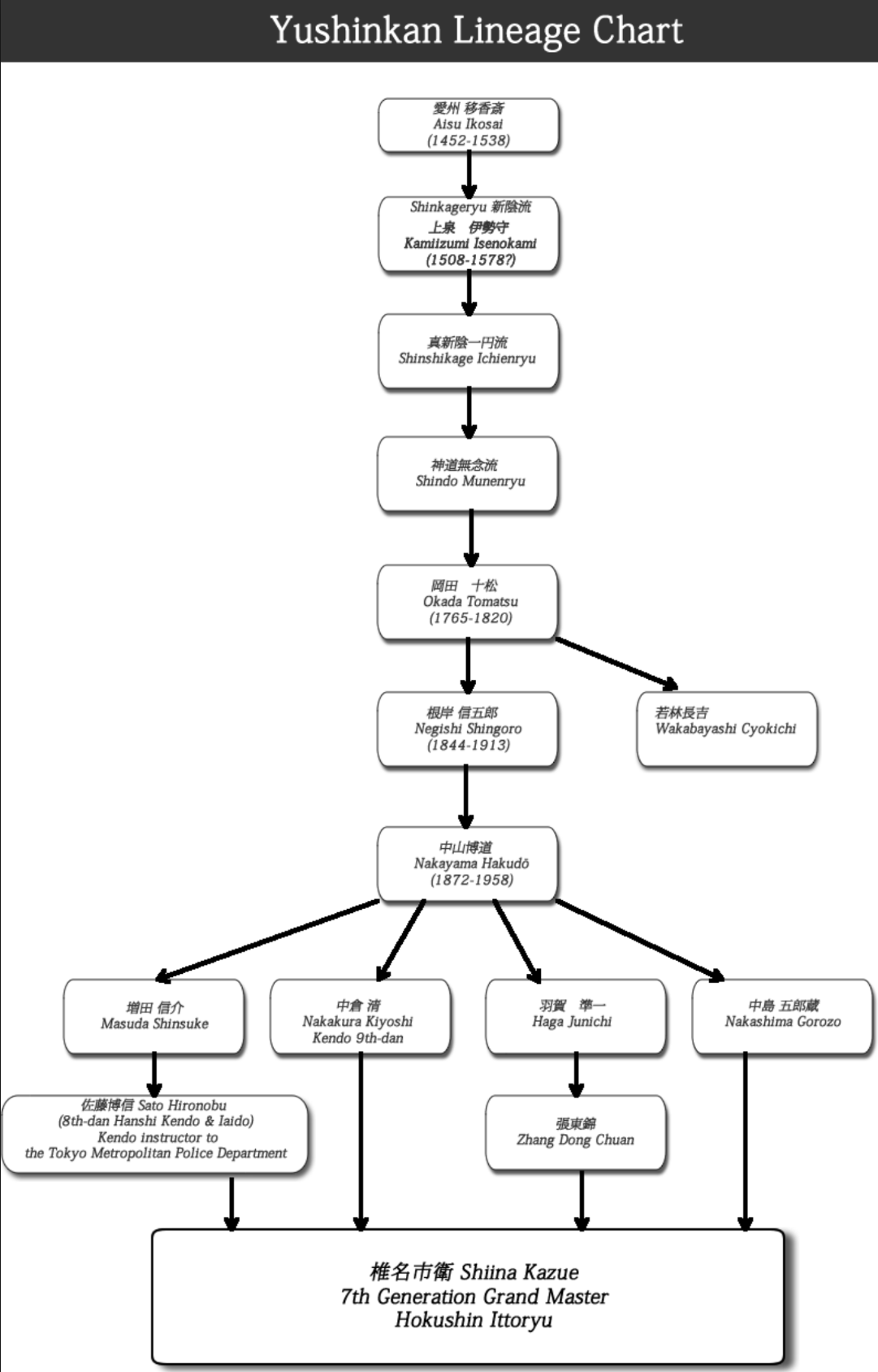
*The above genealogy chart shows that Shiina Kazue Naritane received instruction from each of these masters.